
AI in HEMS: From Reactive Bills to Proactive Energy


AI in HEMS: From Reactive Bills to Proactive Energy
AI in HEMS turns home energy from reactive to predictive, and AI in HEMS uses machine learning to plan charging, heating and storage before the user even thinks about it.
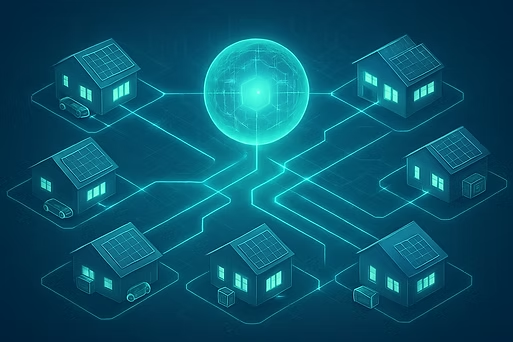
Think of a streaming service that suggests what to watch next; a Home Energy Management System (HEMS) can do the same for energy. By combining IoT device data, cloud analytics and forecasting, the platform schedules PV usage, storage, EV charging and heating to minimize cost and carbon—automatically.
What the user experiences:
• Fewer apps to manage and fewer decisions to make.
• Simple weekly summaries: money saved, self‑consumption rate, avoided CO₂.
• Clear overrides when comfort or timing matters more than price.
How it works behind the scenes. Machine‑learning models forecast consumption and PV output using weather feeds and historical patterns, then align device schedules with dynamic prices. Open standards enable action, not just graphs: OCPP (EV charging), OpenADR (automated demand response), Matter (onboarding/security), and DLMS/COSEM (meter/DER data). Markets coordinated by ENTSO‑E and exchanges like EPEX SPOT supply price signals for optimization.
Core capabilities enabled by AI:
• Appliance‑level forecasts and anomaly detection.
• Optimization of distributed energy resources (PV, batteries, heat pumps).
• Peak‑load reduction that supports grid stability.
• Personalized tips that inform, not overwhelm. Vendors and utilities can quantify outcomes through flexibility platforms such as Kraken, Kaluza and EnergyHub.
Security and privacy. Trust requires end‑to‑end encryption, device identity, secure boot and signed firmware, plus consent and data minimization aligned with GDPR and NIST CSF.
Market outlook. Analysts project rapid growth of AI‑driven home energy platforms across Europe and Asia; by 2030, machine learning will be embedded in nearly all major HEMS offers. Cloud back‑ends from AWS IoT, Microsoft Azure IoT and Google Cloud IoT provide scalable telemetry and model deployment.
Bottom line. AI will shift energy from a reactive expense to a proactive lifestyle service—automated where possible and explainable where needed. Leaders will combine interoperability, privacy‑by‑design and verifiable savings into one app that “just works.”
AI in HEMS: practical checklist for households and vendors
Prioritize open standards, dynamic tariffs, explainable automation, exportable data and privacy controls to earn trust and deliver measurable savings.


Comments